
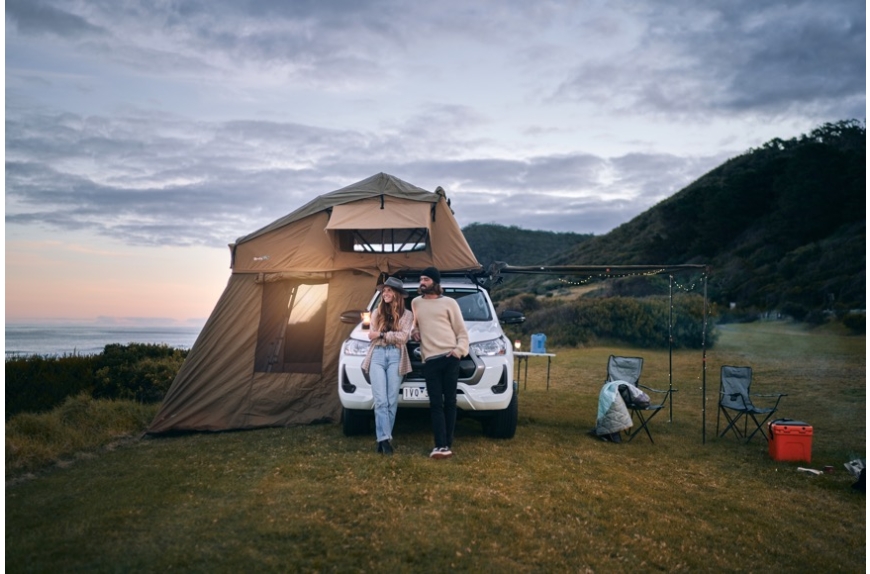
Camping in Australia: A Guide to Your Van Life Adventure
Renting a campervan or motorhome is very common in Australia. Although the country is large and you sometimes feel like you're alone in the world, there are rules to follow when you experience vanlife in Australia. First of all, wild camping is not allowed in Australia. You can't sleep anywhere in a van or motorhome in Australia. You must follow rules that are decided by each state. But in any case, you will need to have a certain authorization to spend your night in your vehicle. Now the country is very well organized and you will find many options so that you can spend your nights peacefully in your vehicle.
The answer is no. There are rules to follow for camping in Australia. Each state has its own rules. Some states are more flexible than others, and depending on where you're traveling within the state, the city or town may have its own regulations. We strongly recommend asking your local tourist office if there are any "free camping" zones to avoid the hefty fines if you spend the night in a prohibited area.
All is not lost now, there are plenty of free camping options in nature. See below for where to find them.
There are many different ways to spend your nights during your road trip in Australia. If you search the internet, you'll see that there's a lot of different information and different names, which can be confusing. We've grouped some types of campsites under one option to simplify your search.
Rest areas:
These are places dedicated to resting during travel. You often have the opportunity to spend the night there, but be aware that since these sites are located along roads, they are often noisy. Likewise, these sites have virtually no amenities (other than often a toilet), but have the advantage of being generally free. Note that stays are often limited to one night.
State campgrounds:
These are paid campgrounds managed by the city or the government. They are simple but well-equipped. You have a toilet, a shared kitchen, a barbecue, and sometimes showers. These campsites cost between $20 and $50, depending on the facilities and location.
Private Campsites:
These are campsites owned by locals who make a space available to travelers. These may be private individuals who have land they have developed to varying degrees. There are also restaurants, pubs, and other facilities that offer sites for overnight stays. These campsites are generally basic, but are cheaper, ranging from $15 to $40 per night.
National Park Campsites:
These are fairly basic campsites, but located in parks and are ideal for an authentic Australian trip.
Northern Territory: There are approximately 80 national parks in this state, and you must book your site online in advance.
Victoria: There are hundreds of national parks. Booking depends on each park.
Queensland: There are over 500 campsites and a permit is required.
New South Wales: All campsites must be booked in advance.
Tasmania: Campsites must be booked online, with many free options nearby.
South Australia: Online booking or local tourist offices available.
Western Australia: Holiday passes are available for longer stays.
Campsite chains:
There are two major campsite chains across the country (Big 4 and G'day Parks).
Camping rules can vary significantly between states and territories.
It's important to check the specific regulations for the area you're visiting.
There are plenty of apps for finding campsites in Australia. They must work offline and include a majority of campsite types.
Here are three apps we personally use:
WikiCamps Australia
Campermate Australia
HIPCAMP Australia

Campervans and motorhomes are very well-equipped, but some extra items can improve comfort.
- Camping clothes line
- Brown tape
- Garbage bags
- Torch or headlamp
- Earplugs
- Water bottle or thermos
- Waterproof jacket
- Bluetooth speaker
- USB solar charger
- Mosquito repellent


